
Basis Clinic · Kelowna
Hair Restoration,
Guided by Science
Hair loss can be frustrating — and confusing. Most people aren't sure why they're shedding, what actually works, or what's safe. At our clinic, your hair restoration plan begins with a medical evaluation performed and overseen by a Head & Neck Surgeon.
We offer both minimally invasive treatments and physician-guided medical therapies, with a step-by-step process designed to be clear, comfortable, and results-focused.
Book NowUnderstanding Your Hair
What We Diagnose
Hair loss is not one single diagnosis. Many people have more than one cause happening at the same time. We may diagnose patterns such as:
Androgenetic Alopecia
Hormone-linked thinning that follows predictable patterns in men and women
Telogen Effluvium
Shedding triggered by stress, illness, pregnancy, or physiologic change
Traction & Inflammation
Loss from tight styles or scalp conditions contributing to thinning
We'll explain what your pattern suggests, why it's happening, and build a personalized plan from there.
Step One
Your Evaluation & Diagnosis
Your first visit is much more than "looking at your hair." It's a structured medical assessment led by a surgeon who treats conditions of the head and neck and understands scalp anatomy, skin health, and hair follicle biology.
Your Story & Goals
When did it start? Is it shedding, thinning, or patchy loss? We ask about triggers — stress, illness, pregnancy, medications, weight changes — to understand the full picture.
Scalp & Hair Exam
We check scalp health (redness, scaling, inflammation), hair density, hair shaft quality, and the pattern of loss to identify what's happening at the follicle level.
Pattern Recognition
Male and female pattern hair loss looks different from stress-related shedding, inflammatory scalp conditions, or autoimmune causes. We identify what type — or types — you're dealing with.
Photography & Baseline Mapping
Standardized photos help us track progress accurately over time. This objective baseline is essential for measuring whether treatments are working.
Pull Test & Shedding Review
When needed, we perform a pull test to assess active shedding — helping us determine whether hair loss is ongoing or stabilizing.
Medical Factor Review
Hormones, thyroid history, iron status, nutrition, sleep, and medications can all contribute to hair loss. We look at the full medical context, not just the scalp.
From There, You'll Receive a Plan That Outlines:
Your Treatment Options
Evidence-Informed Therapies
These treatments are designed to support hair follicles and improve scalp health without surgery. They're often used early to reduce shedding, improve density, and support regrowth — especially when paired with medical therapy.
Microneedling (Scalp)
Minimally Invasive · Scalp Stimulation
Microneedling (Scalp)
Minimally Invasive · Scalp StimulationMicroneedling uses a medical device to create tiny "micro-channels" in the scalp. This targeted approach works at the follicle level to create the conditions for healthier hair.
What microneedling can do:
- Support scalp health and the follicle environment
- Improve absorption of topical treatments
- Stimulate a healing response that may encourage thicker-looking hair over time
PRP (Platelet-Rich Plasma)
Minimally Invasive · Growth Factor Therapy
PRP (Platelet-Rich Plasma)
Minimally Invasive · Growth Factor TherapyPRP uses a small sample of your blood. We spin it down to concentrate platelets and growth factors, then apply or inject the PRP into targeted scalp areas.
PRP is commonly used to:
- Reduce shedding in some patients
- Support hair thickness and hair caliber
- Complement medications and other treatments
Response varies — PRP can be helpful for the right candidates but isn't a guaranteed solution.
Peptide Therapies
Supportive · Adjunct Treatment
Peptide Therapies
Supportive · Adjunct TreatmentPeptides are short chains of amino acids used in some protocols to support skin and scalp biology. When we offer peptide-based approaches, we're transparent about what they are and what they can realistically do.
When we prescribe peptides, we explain:
- What the product is intended to do
- How it fits into your overall plan — often as an adjunct, not a standalone
- What evidence exists — and what remains emerging
Prescription Medications
Topical & Systemic Options · Physician-Monitored
Prescription Medications
Topical & Systemic Options · Physician-MonitoredHair loss often has a hormonal or follicle-sensitivity component. For many patients, medication is the cornerstone of stabilizing hair loss and protecting follicles long-term.
Helps prolong the growth phase of hair and can improve thickness in some patients.
These reduce the effect of DHT — a hormone linked to pattern hair loss — in appropriate candidates.
Often considered for select female patients, depending on diagnosis and risk profile.
We'll explain in plain language:
- Which option fits your diagnosis best
- How long it typically takes to see changes — often measured in months, not weeks
- What side effects to watch for
- Whether topical vs. oral is appropriate for you
The "Why" Behind Medical Therapy
Many people only focus on regrowth, but the first priority is often:
- Stopping or slowing progression
- Protecting the hair you still have
- Creating a stable baseline so other treatments can actually work better
Scalp Mesotherapy
Micro-Injections · Direct Follicle Delivery
Scalp Mesotherapy
Micro-Injections · Direct Follicle DeliveryInstead of relying only on creams or pills, mesotherapy involves micro-injections of selected products directly into the scalp skin (the dermis), targeting the area around the hair follicles.
Depending on your plan, this may include:
- Prescription-based follicle support, including vasodilation approaches
- Options that may help reduce DHT effect locally, when clinically appropriate
- Supportive scalp therapies selected specifically for your diagnosis
Why it can be useful:
- Provides targeted exposure where it's needed most — close to the follicles
- Complements topical and oral therapy
- A good option for patients who prefer a localized approach
Pre-Transplant Stabilization
12-24 Months · Building Toward Surgery
Pre-Transplant Stabilization
12-24 Months · Building Toward SurgeryMany patients are surprised to learn this: hair transplantation is not the first step for most people. Before transplant surgery can be considered, hair loss typically needs to be stabilized for 12-24 months.
Why? Transplanting into an actively thinning area can lead to:
- Ongoing loss around transplanted hairs
- Patchy-looking results over time
- A need for additional surgeries sooner than expected
A strong pre-transplant plan includes:
- Minimally invasive treatments to improve scalp health and hair caliber
- Physician-guided medications to reduce progression and protect surrounding hairs
- Strategies to improve donor area hair quality — so grafts are stronger
Even If You Choose Surgery
A thoughtful medical plan beforehand helps you get more predictable outcomes, better long-term aesthetics, and a plan that supports your hair for years — not just the immediate result.
Supporting Your Safety
Laboratory Work to Reduce Risks
When appropriate, we may recommend lab testing — tailored to your physiology rather than guessing.
Rule Out Contributing Factors
Iron deficiency, thyroid issues, and vitamin deficiencies can all drive or worsen hair loss. We test so we're not guessing.
Improve Medication Safety
When certain medications are prescribed, lab work helps us monitor your response and minimize risk.
Tailor Your Plan
Lab results let us personalize your treatment to your actual physiology — not a one-size-fits-all protocol.
Not everyone needs extensive labs — but if we recommend testing, we'll explain exactly why.
Your Path Forward
The Full Patient Journey
A clear, step-by-step process — from first consultation to long-term results.
Consultation & Diagnosis
A surgeon-led evaluation to understand your unique pattern, triggers, and medical history. Much more than just "looking at your hair."
Personalized Treatment Plan
Clear options and realistic timelines tailored to your goals, risk tolerance, and what your diagnosis actually requires.
Start Treatment
Minimally invasive treatments, medication, or both — based on your needs and comfort level. We walk you through every step.
Progress Tracking
Standardized photos, measurements, and symptom review to objectively monitor how your hair is responding to treatment.
Optimization Phase
Adjustments as your response becomes clear — refining medications, treatment frequency, and approach for the best possible results.
Transplant Planning (If Desired)
Only once stability is achieved. Surgical planning begins when the foundation is strong — for predictable, lasting aesthetics.
The Basis Difference
Why Choose a Clinic Overseen by
a Head & Neck Surgeon?
Hair restoration sits at the intersection of skin, scalp anatomy, hormones, inflammation, and surgical planning. A surgeon trained in the head and neck brings a perspective that makes a real difference.
Advanced Anatomical Understanding
Deep knowledge of scalp tissue and vascular supply that comes from years of surgical training in the head and neck.
Medical Diagnostic Rigor
Not one-size-fits-all "hair packages." A real medical evaluation to identify the actual cause of your hair loss — because diagnosis drives treatment.
Safe Prescribing & Monitoring
Careful counselling on risks, benefits, and alternatives for every medication prescribed — not just a prescription and a follow-up in six months.
Thoughtful Long-Term Planning
Skilled procedural technique paired with a plan that supports your hair for years — not just the immediate result. Surgery is a last step, not the first one.
More Treatments
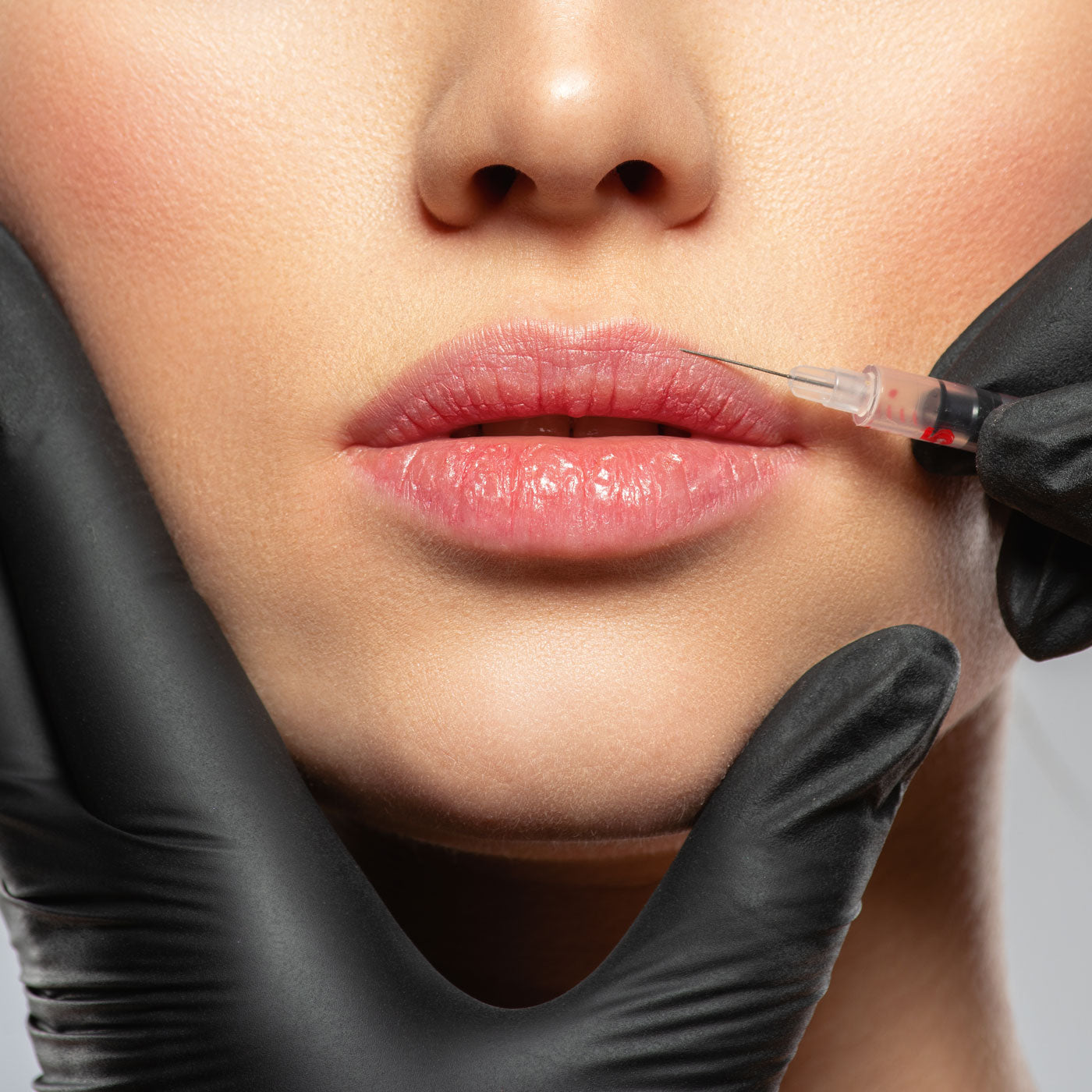
Dermal Filler
At Basis, we use Restylane, the industry standard hyaluronic acid, as our dermal filler. This is available in various consistencies to enhance facial volume dependant on area and needs. These fillers effectively treat areas such as lips, cheeks, chin, jaw, marionette lines and nasolabial folds.
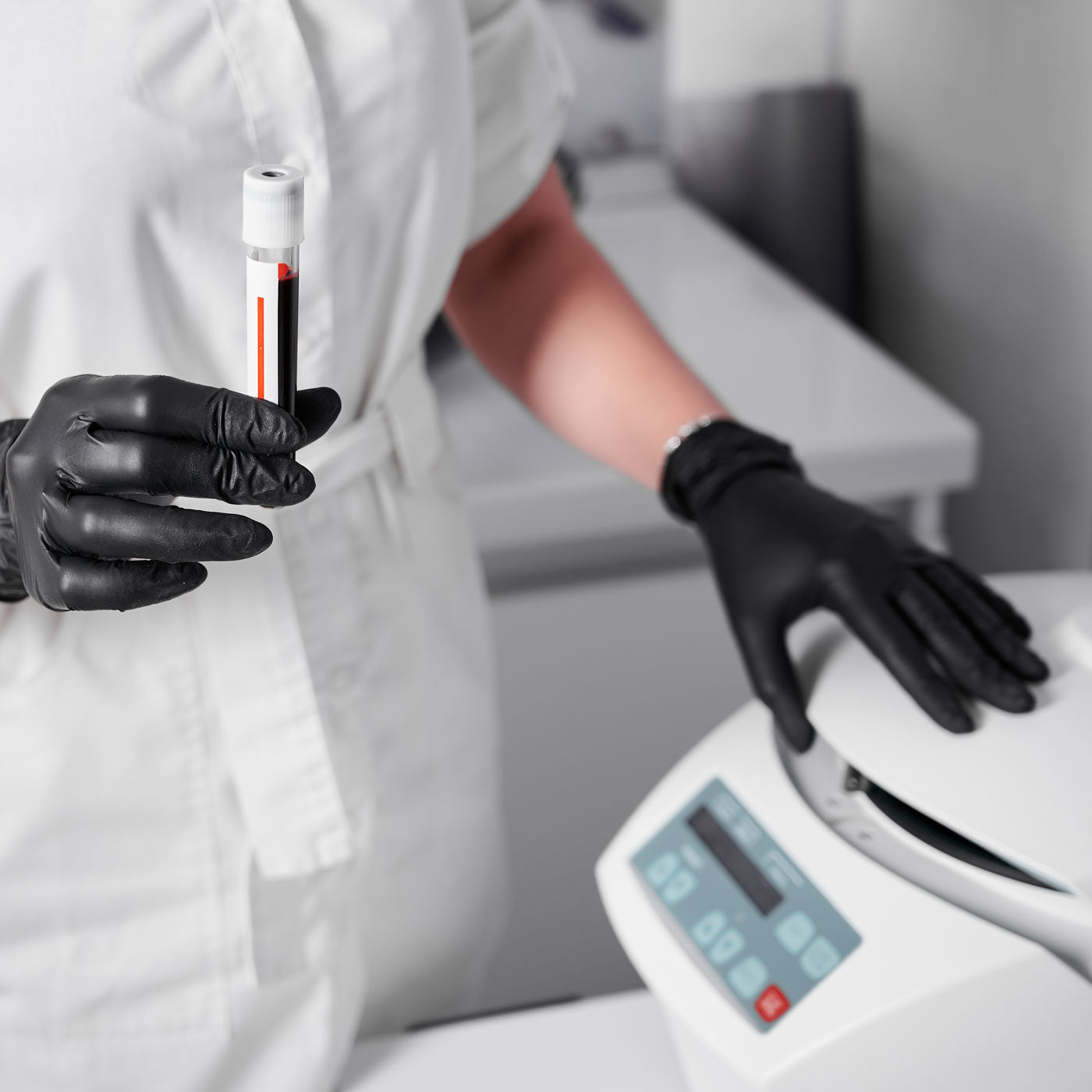
Microneedling w/PRP
Microneedling breaks down disorganized collagen, promotes healing, creates new collagen and elastin. This treatment, which uses clinically-trialed microneedling and PRP, is customized for various skin conditions.
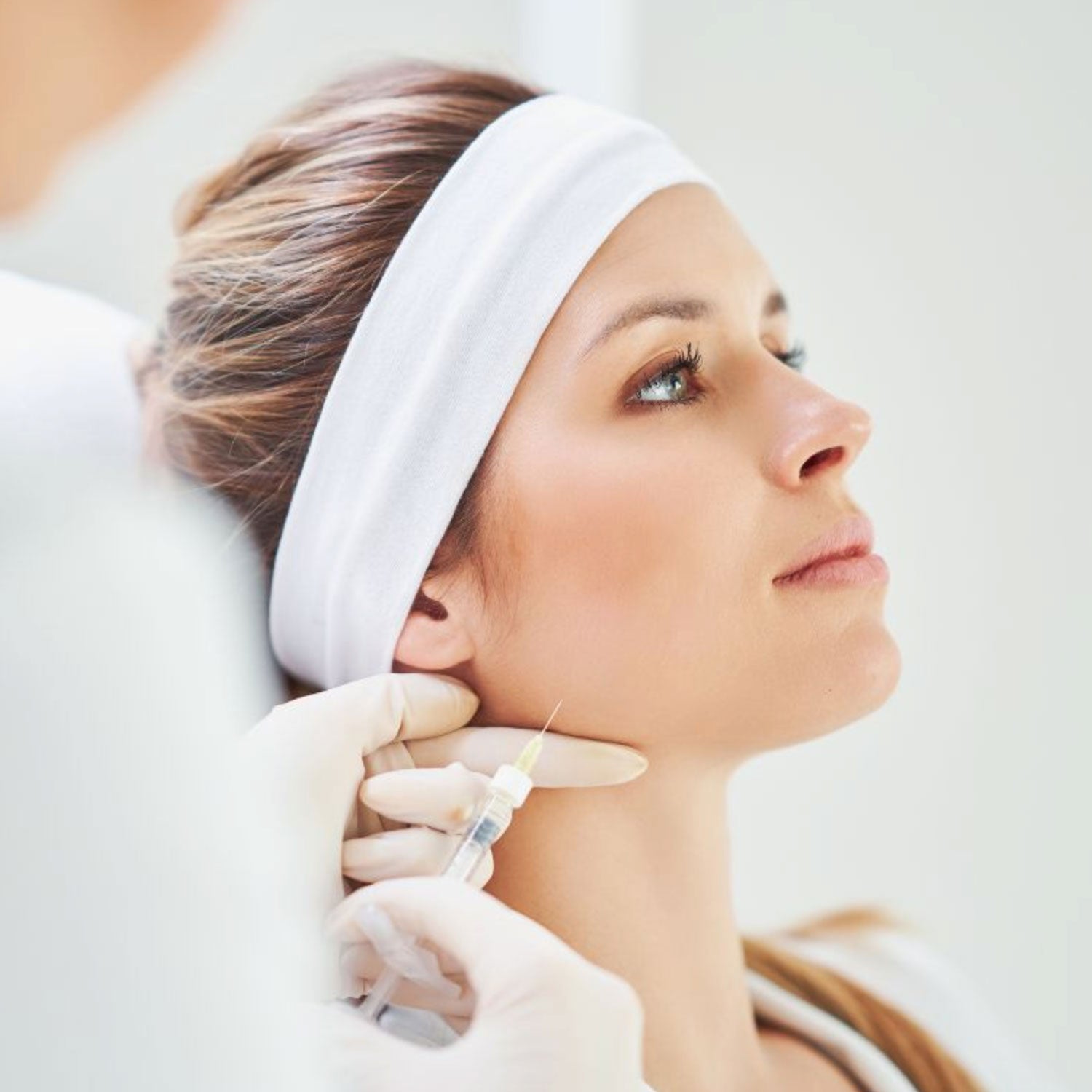
Therapeutic Botox
Botox and Dysport are neuromodulators used therapeutically to relieve discomfort by blocking the nerve signal causing muscle contraction. These treatments alleviate tension, spasms, and medical concerns, such as headache, migraine, TMJ, jaw clenching/grinding, and chronic facial twitch.
I fully trust Deanne with my face. I was nervous to start with injectables, but I really wasn’t happy with my deep crows feet, and Deanne made the experience so comfortable. I love that her dosing of units is evidence based. She landmarks anatomy every single time to make sure the injection sites are spot on, and I have been thrilled with the results. Her entire process is very professional. Even though I now live two provinces away, I travel back for Dysport so that Deanne can be the one to do it. The best!
Let me start by saying how kind, passionate and intelligent Deanne is working in her field. She truly is so thorough and made me feel so comfortable through my entire Dysport and Botox session. Her knowledge of facial anatomy is top notch and it shows as her work and results are meticulous. I’ve gone to other injectors in the past and Deanne’s work has surpassed my previous results, not only for a beautiful natural look but also longevity of my results. She is the only one who I trust my injections to. I also get my ZO skincare from her and she is so knowledgeable on each product whenever I have questions. I trust Deanne for all my cosmetic injections and skincare needs.
I highly recommend Deanne and her amazing work. She thoughtfully guided me through the process and explained how each Dysport and Botox placement was made to safely ensure a fantastic result. I feel so much more confident and comfortable in my skin now!
I've met with both Deanne Pilsner RN, and Dr. Jon Dautremont over the past year for several Botox treatments. Their combined knowledge and expertise have given me the confidence I expected from a healthcare professional to administer this type of facial rejuvenation. They both genuinely care about their work and their patients' experience. I also have complete confidence in Deanne's technique, and I appreciate her attention to detail and would highly recommend her services to anyone considering this type of treatment.
Skincare